
If your dog has suddenly started yelping when picked up, hesitating before jumping onto the couch, or dragging a back leg, it can be frightening not knowing exactly what is wrong. One condition that often causes these kinds of symptoms is Intervertebral Disc Disease, more commonly known as IVDD. It is a condition many dog owners have never heard of until their own pet is affected, and understanding it early can make a real difference in your dog’s recovery.
At Top of the Line Chiropractic in Broomfield, we work with dogs experiencing a wide range of spinal and mobility issues, including IVDD. It is a condition that can range from a mild, manageable flare up to a more serious episode requiring immediate veterinary attention, which is part of why so many owners feel unsure about what to do when symptoms first appear. In this guide, we will walk through what IVDD actually is, the signs to watch for, how it is typically diagnosed and treated, and how canine chiropractic care can play a supporting role in your dog’s recovery and comfort.
Learning to recognize the early warning signs, and understanding what supportive options exist alongside veterinary treatment, can help you feel more prepared if your dog is ever affected.
What Is IVDD in Dogs?
Intervertebral Disc Disease occurs when one or more of the discs that cushion the vertebrae in your dog’s spine begin to break down, bulge, or rupture. These discs normally act as shock absorbers between the bones of the spine, allowing for smooth, flexible movement. When a disc degenerates or shifts out of place, it can put pressure on the spinal cord or nearby nerves, leading to pain, weakness, or even difficulty walking in more severe cases.
Dogs Most Commonly Affected
- Long backed breeds such as Dachshunds, Corgis, and Basset Hounds
- Middle aged and senior dogs, though it can occur at any age
- Dogs carrying extra body weight, which places added stress on the spine
- Dogs with a history of jumping frequently on and off furniture
- Dogs recovering from a previous back injury or disc issue
It is worth noting that a dog’s individual anatomy and lifetime habits often play just as large a role as breed alone. A dog that has spent years jumping on and off high furniture or climbing stairs repeatedly may be at higher risk regardless of breed, which is part of why prevention focused habits are worth building early rather than waiting for symptoms to appear.
While certain breeds are more prone to IVDD due to their body shape, any dog can potentially develop the condition, especially as they age or if their spine experiences repeated strain over time. There are also different types of IVDD, ranging from a slow, gradual degeneration of the disc over months or years to a sudden rupture that causes immediate and severe symptoms. Understanding which type your dog may be dealing with is something a veterinarian will help determine, but recognizing that both patterns exist can help you take early symptoms seriously rather than dismissing them as simple stiffness.
Recognizing the Signs of IVDD
IVDD symptoms can range from mild to severe, and they do not always appear the same way in every dog. Some dogs show subtle changes in behavior, while others experience a sudden and dramatic loss of mobility.
Signs to Watch For
- Reluctance to jump, climb stairs, or be picked up
- A hunched back or lowered head posture
- Yelping or crying out when touched or moved
- Wobbly or uncoordinated back legs
- Dragging one or both back paws
- Sudden loss of bladder or bowel control
- Reduced activity level or noticeable stiffness after rest
If your dog shows any sudden loss of mobility, especially in the back legs, or appears to be in significant pain, this should be treated as urgent and evaluated by a veterinarian right away. Milder or gradually developing symptoms still deserve attention, even if they seem manageable at first, since IVDD often worsens over time without proper support. Owners sometimes mistake early signs for simple aging or a temporary strain, especially in dogs that have always been active, which is why it helps to know what patterns to watch for over several days rather than judging based on a single moment.
How IVDD Is Typically Diagnosed and Treated
IVDD is generally diagnosed by a veterinarian through a combination of a physical examination, a review of your dog’s symptoms and history, and imaging such as X-rays, CT scans, or an MRI to assess the affected disc and spinal cord. Depending on the severity, treatment recommendations can range from strict rest and anti-inflammatory medication for milder cases to surgery for dogs experiencing significant nerve compression or loss of function.
Regardless of which path is recommended, recovery is rarely just about the initial treatment. Supporting your dog’s spine, mobility, and comfort during and after this period plays a major role in how well they bounce back, which is where supportive chiropractic care can fit into the bigger picture. Dogs that undergo surgery often require a structured recovery period involving crate rest and gradually reintroduced activity, while dogs managed without surgery still benefit from close attention to posture, movement, and daily habits during the healing process.
Why the Recovery Period Matters
The weeks following an IVDD episode are often when a dog’s long term mobility is shaped the most. Rushing back into normal activity too soon can increase the risk of re-injury, while overly restricting movement for too long can lead to stiffness and muscle loss. Striking the right balance is easier with guidance from professionals who understand both the veterinary and musculoskeletal sides of recovery.
How Chiropractic Care Supports Dogs with IVDD
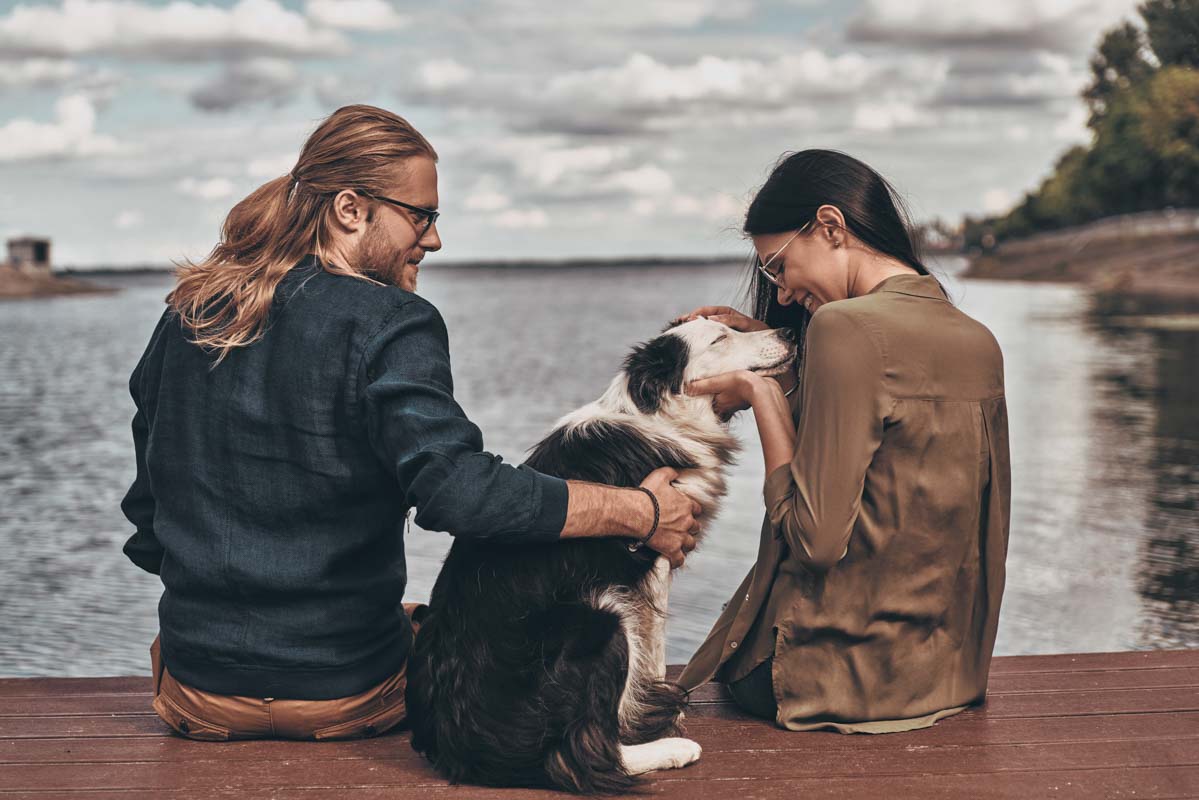
Chiropractic care for dogs with IVDD is not a replacement for veterinary diagnosis or emergency treatment when it is needed, but it can be a valuable part of an ongoing recovery and wellness plan once your dog has been cleared for this type of supportive care.
How We May Be Able to Help
- Gentle assessment of spinal alignment and mobility throughout the body
- Targeted adjustments to help maintain proper alignment in areas not directly affected by the disc issue
- Soft tissue support to ease tension in muscles that may be compensating for reduced mobility
- Guidance on safe movement and activity levels during recovery
- Ongoing wellness visits to help support long term spinal health after the initial recovery period
Because dogs with IVDD often develop compensatory movement patterns, meaning they shift weight or posture to avoid discomfort, other areas of the spine and body can become strained over time. A dog that favors its front end to avoid using a sore back leg, for example, may start to develop tension in the shoulders or neck simply from adjusting how it walks and stands. Addressing these secondary issues is often just as important as managing the original disc concern. This is also an area where our mobility and arthritis focused care can overlap with IVDD support, since both involve helping dogs move more comfortably as they age or recover.
We also pay close attention to how a dog’s gait, weight distribution, and range of motion change throughout the recovery process, adjusting our approach as needed rather than following a fixed plan regardless of progress. This flexibility matters because every dog heals at a different pace, and what works well in the first few weeks may need to shift as mobility improves.
Supporting Your Dog’s Recovery at Home
Whether your dog is recovering from a mild flare up or a more significant episode, there are steps you can take at home to support their healing process.
Helpful Habits During Recovery
- Limit jumping on and off furniture, and consider ramps or steps for beds and couches
- Use a harness instead of a collar to avoid unnecessary strain on the neck and spine
- Maintain a healthy body weight to reduce pressure on the spine
- Keep exercise gentle and controlled rather than allowing sudden bursts of activity
- Provide supportive bedding that keeps the spine properly aligned during rest
These habits can be helpful both during recovery and as an ongoing part of your dog’s routine, especially for breeds that are more prone to disc issues. Small adjustments to daily habits can meaningfully reduce the risk of future flare ups. It is also worth paying attention to flooring in the home, since slippery surfaces can cause dogs to slip or overextend their back legs, which places extra strain on an already sensitive spine. Adding rugs or runners along frequently used paths can make a noticeable difference for dogs recovering from or prone to IVDD.
Is Your Dog at Risk? A Quick Checklist
If you are unsure whether your dog’s symptoms could be related to IVDD or another spinal issue, consider the following questions.
- Has your dog become hesitant to jump or climb stairs?
- Have you noticed a hunched posture or lowered head?
- Does your dog yelp or flinch when touched along the back?
- Have you seen any wobbliness, dragging, or weakness in the back legs?
- Is your dog a long backed breed or carrying extra weight?
If you answered yes to several of these questions, it is worth having your dog evaluated. Early attention to spinal health can make a meaningful difference in comfort and long term mobility, and catching subtle changes early often means a simpler, shorter path to recovery than waiting until symptoms become severe. You can also learn more about our team’s approach to animal chiropractic care or reach out through our contact page with any questions.
Help Your Dog Feel Better
Watching your dog struggle with pain or reduced mobility is never easy, and it is natural to want to do everything possible to help them feel like themselves again. At Top of the Line Chiropractic in Broomfield, we take a gentle, individualized approach to supporting dogs through spinal and mobility challenges, including those related to IVDD. Our goal is always to work alongside your veterinarian’s recommendations, not in place of them, so your dog receives well rounded support throughout every stage of recovery.
If your dog has been showing signs of discomfort, stiffness, or reduced mobility, do not wait to have them evaluated. Book an Appointment today, and let us help your dog move more comfortably.
Ready for an expert opinion? Get in touch today!
Explore how chiropractic care supports every stage of life at Top of the Line Chiropractic, from prenatal care to children’s development, adult wellness, and senior health. Learn how a family-centered approach to spinal care promotes long-term wellness for all ages.
Like this article? Spread the word!
Related Posts

Relieve Your Dog’s Hip Dysplasia Pain: Top Chiropractic Solutions in Broomfield
Discover expert chiropractic care for hip dysplasia in dogs at Top of the Line…

Boost Your Dog’s Mobility: Arthritis and Chiropractic Care in Broomfield
Discover how canine chiropractic care at our Broomfield clinic can boost your dog’s…